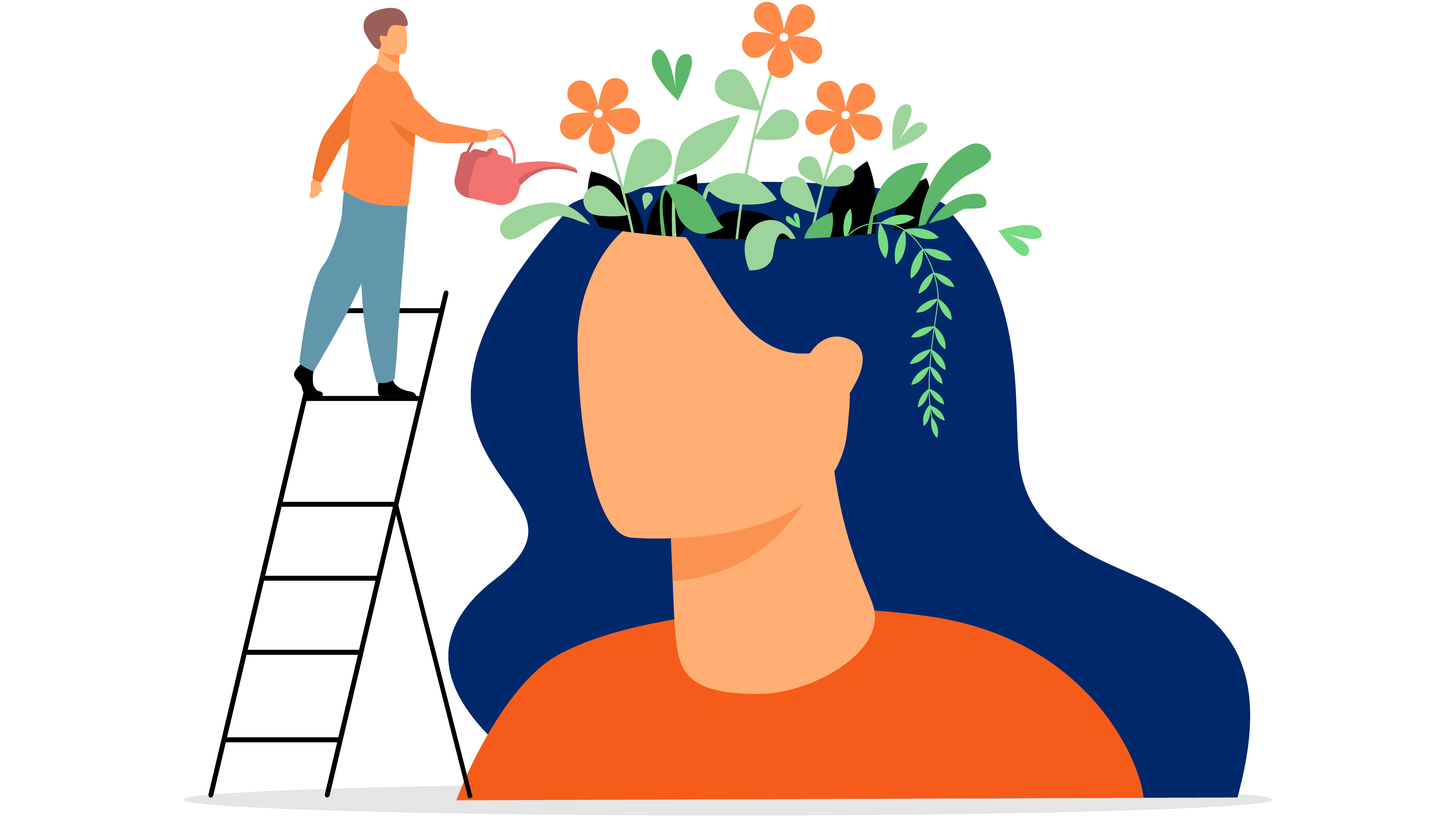
Mental health is an essential part of overall well-being. Understanding how to care for your mind is just as important as caring for your body. Mental health awareness helps individuals recognize signs of stress, anxiety, and other mental challenges, allowing them to take proactive steps toward healthier minds. This article explores evidence-based strategies that make mental health awareness practical, approachable, and effective.
Understanding Mental Health Awareness
Mental health awareness involves recognizing the importance of emotional and psychological well-being. It includes understanding mental illnesses, reducing stigma, and promoting behaviors that support mental wellness. By becoming aware of mental health, individuals can make informed choices about coping strategies, professional help, and lifestyle changes.
Why Mental Health Awareness Matters
Many people ignore mental health issues due to stigma or lack of knowledge. Raising awareness helps:
- Reduce the stigma associated with mental illness.
- Encourage people to seek help early.
- Promote healthier relationships with oneself and others.
- Improve overall life satisfaction and productivity.
For example, a student struggling with anxiety may avoid speaking to teachers or parents. Awareness programs in schools can help the student recognize symptoms and seek support, leading to better academic performance and emotional balance.
Common Mental Health Challenges
Before implementing strategies, it is essential to understand common mental health issues:
- Anxiety Disorders: Persistent fear or worry that affects daily life.
- Depression: Ongoing feelings of sadness or lack of interest in activities.
- Stress: Emotional or physical tension caused by challenging situations.
- Bipolar Disorder: Extreme mood swings ranging from high energy to deep depression.
- Obsessive-Compulsive Disorder (OCD): Repetitive thoughts or behaviors that interfere with life.
Recognizing these conditions early is a key component of mental health awareness.

Strategies for Building Mental Health Awareness
1. Education and Learning
Educating yourself about mental health is the first step toward awareness. Reliable sources such as books, workshops, and trusted websites provide factual information about mental illnesses, symptoms, and coping techniques.
- Attend seminars or webinars on mental health topics.
- Read books by mental health professionals.
- Follow credible mental health organizations online.
Real-life example: Sarah, a college student, attended a mental health workshop and learned relaxation techniques. She used these methods to manage her exam anxiety successfully.
2. Open Communication
Talking about feelings and emotions is crucial. Open communication reduces the burden of mental health challenges and promotes empathy.
- Share your feelings with family, friends, or mentors.
- Encourage others to talk about their emotional struggles.
- Practice active listening without judgment.
Analogous example: Just as physical injuries require medical attention, emotional wounds need discussion and support to heal.
3. Mindfulness and Meditation
Mindfulness practices help individuals stay present and reduce negative thinking patterns. Meditation can improve emotional regulation and decrease stress levels.
- Practice deep-breathing exercises for 5–10 minutes daily.
- Engage in guided meditation using apps or online videos.
- Incorporate yoga or tai chi for both mental and physical benefits.
Case study: John, an office worker, used mindfulness meditation for ten minutes each morning. Over a month, he reported reduced work-related stress and improved focus.
4. Healthy Lifestyle Choices
Physical health directly affects mental health. A balanced lifestyle supports mental wellness and resilience against stress and anxiety.
- Maintain a nutritious diet rich in vitamins and minerals.
- Exercise regularly to release endorphins and boost mood.
- Ensure adequate sleep for emotional recovery.
- Limit alcohol and avoid drug misuse, which can worsen mental health issues.
5. Stress Management Techniques
Effective stress management is a cornerstone of mental health awareness. Recognizing triggers and learning coping strategies can prevent escalation.
- Identify stressors and maintain a journal to track patterns.
- Use relaxation techniques such as progressive muscle relaxation.
- Engage in hobbies or creative activities to channel energy positively.
6. Seek Professional Help
Mental health awareness includes understanding when professional help is needed. Therapy, counseling, or medication can provide structured support for mental health challenges.
- Consult licensed psychologists or therapists.
- Participate in group therapy or support groups.
- Follow treatment plans prescribed by professionals.
Example: Emma struggled with depression and initially ignored it. By seeking therapy, she learned cognitive-behavioral strategies that helped her manage negative thoughts effectively.
7. Build a Supportive Environment
Surrounding yourself with supportive people encourages positive mental health. Social support reduces feelings of isolation and promotes emotional resilience.
- Spend time with family and friends who listen and understand.
- Join clubs or community groups that share your interests.
- Avoid toxic relationships that increase stress or anxiety.
8. Promote Mental Health Awareness in Your Community
Spreading awareness benefits everyone. By educating others and advocating for mental health, communities can foster healthier minds collectively.
- Volunteer for mental health campaigns.
- Share informative articles or resources on social media.
- Organize awareness events in schools, workplaces, or local communities.
Real-Life Applications
Implementing mental health awareness strategies can improve daily life. For instance:
- Students who practice mindfulness and stress management techniques often perform better academically.
- Employees with open communication and supportive environments report higher job satisfaction.
- Families that prioritize mental health education reduce conflicts and strengthen relationships.
Conclusion
Mental health awareness is not just an individual effort; it is a societal responsibility. Understanding, recognizing, and addressing mental health challenges fosters resilience, reduces stigma, and promotes emotional well-being. By integrating education, communication, mindfulness, lifestyle management, professional support, and community advocacy, we can create healthier minds and more balanced lives. Everyone deserves a supportive environment where mental health is valued and nurtured. Start today by taking small steps toward awareness, understanding, and proactive care for your mind. Explore all topics in one place by visiting our homepage.
FAQs
What is mental health awareness?
Mental health awareness involves understanding emotional, psychological, and social well-being. It helps individuals recognize symptoms of mental illnesses, reduce stigma, and adopt strategies for emotional wellness.
How can I improve mental health awareness in my daily life?
Improving awareness includes educating yourself, practicing mindfulness, communicating openly, maintaining a healthy lifestyle, managing stress, seeking professional help, and promoting supportive environments.
Why is seeking professional help important for mental health?
Professional help provides structured guidance, evidence-based therapies, and medication if needed. Early intervention can prevent mental health issues from worsening and supports long-term emotional well-being.