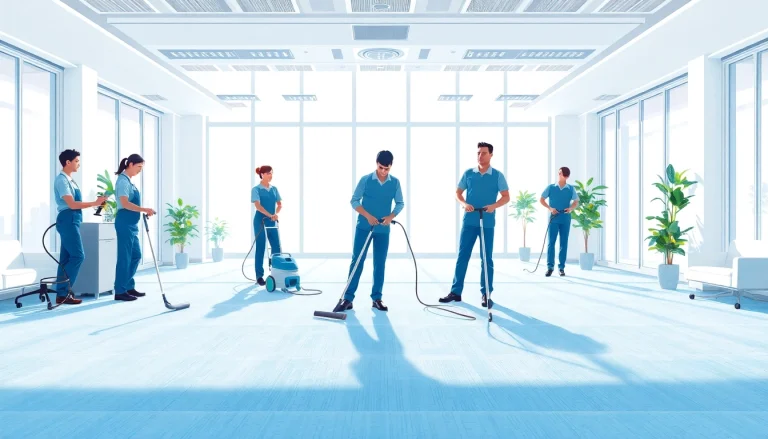
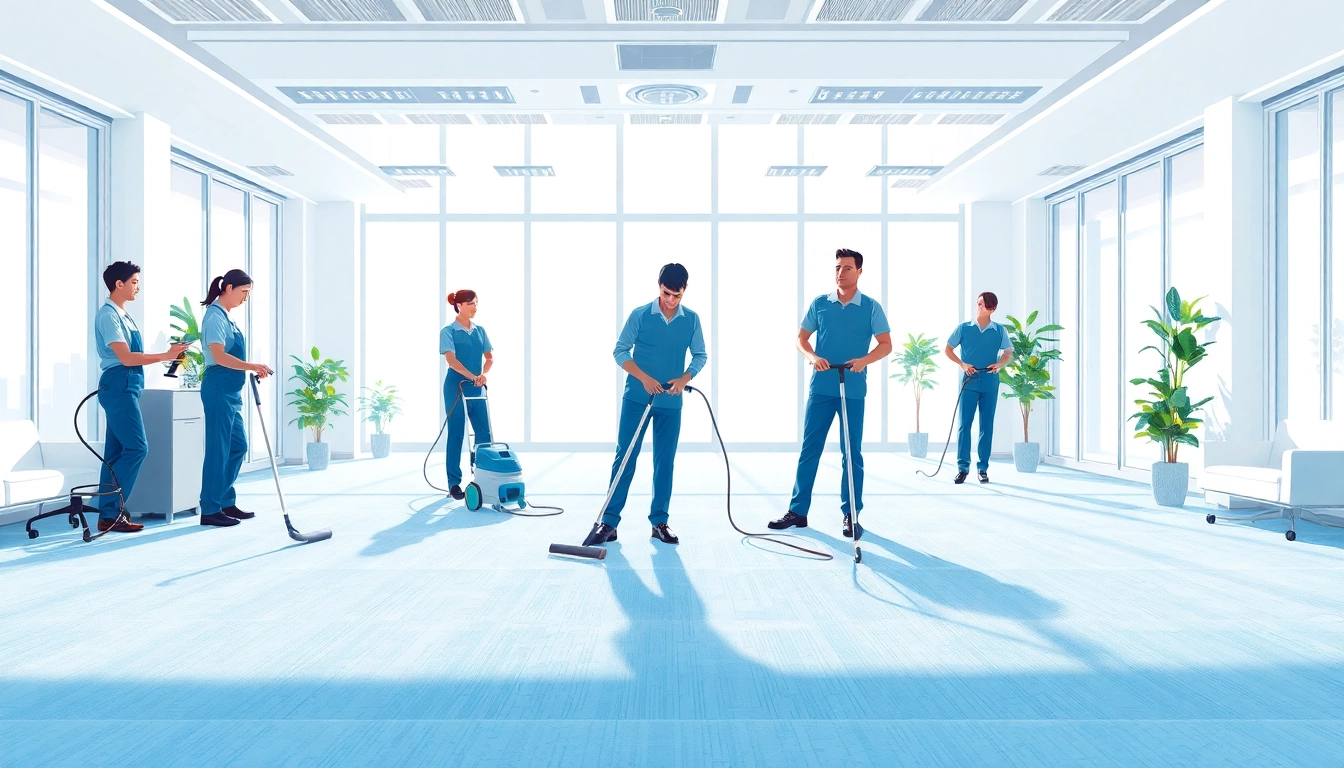
Understanding the Importance of Commercial Carpet Cleaning
When it comes to maintaining a professional environment, few aspects are as crucial as the cleanliness of your office space. Among the numerous janitorial tasks, commercial carpet cleaning stands out as a vital aspect that directly contributes to workplace aesthetic, employee health, and overall company image. This article delves into the essential reasons why regular carpet cleaning matters and the methods that can be employed to ensure your carpets are always in top condition.
Benefits of Regular Cleaning
Regular carpet cleaning has numerous benefits that go beyond aesthetics. One major advantage is the prolongation of carpet life; dust and debris can degrade carpet fibers over time. Moreover, routine cleaning helps eliminate allergens and dust mites, leading to healthier indoor air quality. This, in turn, benefits employees’ productivity, as a clean working environment can reduce the likelihood of illness. Additionally, regular cleaning ensures that carpets maintain their color and texture, thereby saving businesses from the cost of premature replacements.
Impacts on Company Image
Your office’s appearance speaks volumes about your brand. Dirty, stained carpets can project an image of neglect, potentially driving clients and customers away. By maintaining clean carpets, you communicate professionalism and attention to detail. This is particularly important for businesses that frequently host clients or customers in their office space. A clean environment can enhance first impressions and contribute to a positive reputation, which can be especially beneficial in competitive industries.
Health Benefits for Employees
A clean workspace significantly impacts employee morale and productivity. Poor indoor air quality due to unclean carpets can result in health issues, such as allergies, asthma, and other respiratory problems. By opting for regular commercial carpet cleaning, companies can reduce the presence of allergens and promote a healthier work environment. Investing in employee health is not only ethically sound but also results in fewer sick days and higher overall productivity.
Popular Methods of Commercial Carpet Cleaning
The methods used for commercial carpet cleaning can vary significantly, each with its advantages and suited applications. Selecting the appropriate method depends on factors such as the type of carpet and the level of soiling present.
Steam Cleaning Explained
Steam cleaning, also known as hot water extraction, is one of the most widely recognized methods of carpet cleaning. This technique uses high-pressure hot water to penetrate deep into the carpet fibers. The heated water loosens dirt, bacteria, and allergens that are then extracted with a powerful vacuum. This method is particularly effective for removing deep-set stains and is often recommended for offices with high foot traffic.
Dry Cleaning Techniques
Unlike steam cleaning, dry cleaning involves minimal water usage. Absorbent cleaning compounds are sprinkled on the carpet, which adhere to dirt and grime. After a set time, the mixture is vacuumed away, lifting the debris along with it. This method is ideal for carpets that cannot withstand large amounts of moisture, such as delicate fabrics or older carpets. Dry cleaning is also a faster method, requiring less drying time, making it suitable for busy office environments.
Encapsulation Method Overview
The encapsulation method involves the use of synthetic detergents that encapsulate dirt particles in a crystal-like structure. Once the cleaning solution dries, the encapsulated dirt can be easily vacuumed away. This method is highly effective for regular maintenance cleaning in commercial settings and is often praised for its quick drying time, minimizing downtime for the business. It’s an eco-friendly approach, reducing the need for excessive water and chemical use.
Choosing the Right Equipment for Commercial Carpet Cleaning
Investing in the right cleaning equipment is crucial for achieving the best results in commercial carpet cleaning. With the diversity of carpet types and cleaning methods available, understanding your options can significantly enhance your cleaning efforts.
Analyzing Carpet Types
Before choosing cleaning equipment or methods, it’s essential to analyze the different types of carpets present in your environment. Common commercial carpet types include nylon, polyester, olefin, and wool, each with unique cleaning requirements. For instance, nylon carpet is durable and resistant to stains but may require specialized cleaners, whereas wool, being more delicate, needs gentler cleaning products. Understanding the composition and structure of your carpets will guide you in selecting effective cleaning methods and equipment.
Must-Have Cleaning Machines
Several key pieces of equipment are crucial for effective commercial carpet cleaning. Extraction machines, whether handheld or truck-mounted, are vital for steam cleaning operations. For dry cleaning, a professional-grade vacuum equipped with specialized attachments will enhance cleaning efficiency. Additionally, encapsulation equipment can streamline the cleaning process by allowing for quicker applications of cleaning agents. Selecting machines based on efficiency, ease of use, and adaptability to various carpet types will maximize your cleaning efforts.
Maintenance of Equipment
To ensure the longevity and effectiveness of your carpet cleaning equipment, regular maintenance is essential. This includes routine checks and servicing, cleaning filters, and ensuring that the machines are functioning correctly. Proper maintenance not only extends the lifespan of your equipment but also ensures high performance and quality cleaning results. Establishing a maintenance schedule will help prevent equipment breakdowns during critical cleaning operations.
DIY vs. Professional Commercial Carpet Cleaning
The debate between in-house carpet cleaning versus hiring professionals often boils down to cost, expertise, and the desired quality of the cleaning outcome. Each approach has its merits and potential pitfalls.
When to Hire Professionals
Professional cleaning services are typically best for deep cleaning tasks and for addressing specific issues such as extensive stains, odors, or high levels of dirt. Professionals possess specialized knowledge, experience, and equipment that can tackle intricate cleaning jobs effectively. If the condition of your carpets surpasses routine maintenance, enlisting the help of experts ensures a thorough, restore quality cleaning process that may not be achievable through in-house efforts.
Costs vs. Benefits Comparison
Analyzing the costs associated with both DIY and professional cleaning methods is essential for making an informed decision. While DIY cleaning may appear less expensive upfront, there are hidden costs such as equipment purchases, maintenance, and potential damage to the carpet if not executed properly. On the other hand, professional services can be more costly, but they provide high-quality results, save time, and reduce the likelihood of having to replace carpets prematurely due to improper care. Investing in professional cleaning if you have significant foot traffic or high-stakes client engagements often yields better long-term value.
Tips for a Successful DIY Approach
Should you decide to pursue a DIY carpet cleaning approach, several tips can enhance your cleaning results. Start by thoroughly vacuuming the carpet to remove any loose dirt and debris. Choose appropriate cleaning products that match your carpet type, and follow the manufacturer’s guidelines for application. Implementing a spot-cleaning routine can address stains before they become embedded in the fibers. Finally, test any cleaning solution in an inconspicuous area first to ensure it does not damage or discolor the carpet.
Measuring the Success of Your Carpet Cleaning Efforts
It’s crucial to evaluate the effectiveness of your carpet cleaning practices to ensure you are achieving the desired results. This involves a combination of visual assessments, employee feedback, and tracking data on the cleaning frequency and effectiveness.
Visual Inspection Techniques
After each cleaning session, conducting a visual inspection of the carpets can provide immediate feedback on the cleaning effectiveness. Look for areas that may still appear dirty or stained, and note if specific cleaning methods need adjustment. Regular inspections allow you to address problems swiftly and help you maintain high cleaning standards in your commercial space.
Feedback from Employees
Gathering employee feedback is crucial, as they are the ones who interact with the workspace daily. Surveys or informal discussions can provide valuable insight into whether the carpet cleaning efforts have improved their work environment. Employees may notice changes in air quality, aesthetics, or overall comfort, which can directly impact their productivity and satisfaction with the workplace.
Tracking Cleaning Frequency and Results
Establishing a tracking system for cleaning frequency and outcomes can significantly enhance the overall management of carpet cleaning efforts. Documenting the dates and methods used for cleaning, as well as any notable changes in carpet condition, allows for a more detailed analysis of what approaches work best. This information can inform future cleaning schedules and help identify trends over time, assisting in refining your cleaning policies and practices.
FAQs:
1. How often should commercial carpet cleaning be done?
Commercial carpet cleaning should be done every 6-12 months to maintain hygiene and appearance.
2. What products are safe for commercial carpet cleaning?
Look for eco-friendly and non-toxic cleaning solutions suitable for your carpet type.
3. Can I clean my carpets in-house?
Yes, many businesses handle minor cleaning but often benefit from professional services for deep cleaning.
4. How long does carpet cleaning take?
Most commercial carpet cleaning jobs can be completed in a few hours, depending on the area size.
5. Is commercial carpet cleaning worth the investment?
Absolutely! It prolongs carpet life and improves the overall workplace environment.
About the Author