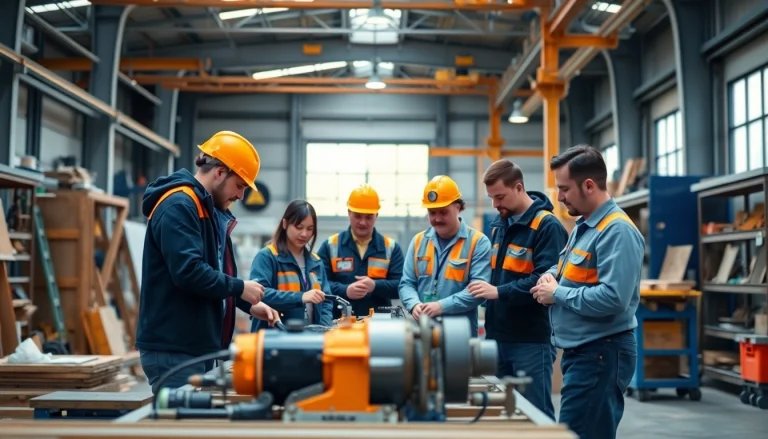

Understanding Construction Labor Compliance
Construction labor compliance refers to the adherence to federal, state, and local laws governing labor practices within the construction industry. Compliance is essential not only for the safety and well-being of workers but also for the sustainability of construction businesses. It encompasses a myriad of regulations, including wage laws, safety standards, and workers’ rights, all of which are crucial for maintaining a fair and efficient work environment. This guide delves into the intricacies of construction labor compliance, providing actionable insights for stakeholders invested in the construction sector. For more detailed regulations, check out construction labor compliance.
Importance of Compliance in Construction
Compliance in construction is critical for several reasons. Firstly, it ensures the safety of workers by adhering to Occupational Safety and Health Administration (OSHA) regulations, which minimize workplace hazards. Secondly, it protects employers from legal repercussions that may arise from non-compliance, including fines, lawsuits, and shutdowns. In today’s construction landscape, where competition is fierce, compliance fosters trust and reliability among clients and stakeholders, enhancing the overall reputation of a construction firm.
Key Regulations and Standards
Various regulations govern construction labor compliance:
- Fair Labor Standards Act (FLSA): Establishes minimum wage, overtime pay, and youth employment standards.
- Occupational Safety and Health Administration (OSHA): Sets workplace safety standards to protect workers from on-site hazards.
- Employee Retirement Income Security Act (ERISA): Regulates employee benefit plans and pensions.
- Title VII of the Civil Rights Act: Prohibits employment discrimination on the basis of race, color, religion, sex, or national origin.
Understanding these regulations is crucial for construction firms aiming to operate within legal boundaries and maintain ethical labor practices.
Common Compliance Challenges
Despite the importance of compliance, construction firms frequently face several challenges:
- Worker Misclassification: Misidentifying employees as independent contractors can lead to significant financial penalties.
- Safety Violations: Non-compliance with safety regulations can result in accidents and injuries on job sites.
- Record-Keeping Issues: Inaccurate or insufficient documentation can complicate audits and compliance checks.
- Rapid Regulatory Changes: Keeping up with constantly changing labor laws and regulations can be overwhelming.
Addressing these challenges proactively is essential for minimizing the risk of compliance-related issues and enhancing overall project management.
Best Practices for Implementing Compliance
Creating a Compliance Checklist
A compliance checklist serves as an invaluable tool for construction firms. It helps streamline labor practices by ensuring all necessary areas are addressed. Here’s how to create one:
- Identify relevant regulations specific to your jurisdiction.
- Outline necessary documentation needed for compliance.
- Establish a timeline for regular compliance checks and updates.
- Delegate responsibilities among team members for accountability.
Regularly reviewing and updating the checklist ensures that compliance is maintained as laws evolve.
Training Your Workforce
Worker training is pivotal in ensuring compliance within the construction industry. All employees must be well-informed about the applicable laws and safety standards. Implement comprehensive training programs that cover:
- Safety protocol awareness (including proper equipment use).
- Rights and obligations under labor laws.
- Emergency response procedures.
- Documentation requirements for reporting and compliance tracking.
Regular refresher courses can also be beneficial, keeping information fresh and relevant for all employees.
Utilizing Technology for Compliance
In the digital age, technology plays a crucial role in maintaining construction labor compliance. Various software solutions can facilitate:
- Document Management: Software can help manage essential compliance documents, ensuring they are stored securely and updated regularly.
- Automated Reporting: Automation can simplify the reporting process, making it easier to track compliance status and generate relevant reports.
- Training Tools: Online training platforms can provide flexible training options suited to different learning styles.
By investing in compliance technology, firms can enhance efficiency while maintaining the necessary legal and safety standards.
Monitoring and Assessing Compliance
Developing Effective Monitoring Systems
Establishing a robust compliance monitoring system is critical for identifying potential issues early. Consider implementing the following:
- Regular Audits: Schedule audits to assess compliance in various areas, including safety practices and wage requirements.
- Feedback Loops: Create channels for worker feedback, allowing employees to report safety concerns or compliance failures anonymously.
- Key Performance Indicators (KPIs): Develop KPIs that reflect compliance objectives and track progress effectively.
Monitoring should be an ongoing process, allowing for timely adjustments to maintain compliance.
Conducting Internal Audits
Internal audits are an essential component of compliance. They provide insight into areas of strength and weakness within your operations:
- Plan audits at regular intervals, ensuring all departments are evaluated.
- Evaluate compliance with safety standards and labor laws, looking for documentation and procedural adherence.
- Involve multiple stakeholders in the audit process for varied perspectives.
After completing an audit, it’s crucial to address any identified issues and develop an action plan to prevent future occurrences.
Addressing Non-Compliance Issues
When non-compliance issues arise, swift action is necessary. Follow these steps:
- Investigate: Conduct a thorough investigation to determine the root cause of non-compliance.
- Communicate: Inform affected stakeholders about the issue, including employees and management.
- Implement Solutions: Develop a corrective action plan, involving all relevant parties to ensure accountability.
Proactively addressing non-compliance mitigates risks and demonstrates a commitment to upholding industry standards.
Benefits of Strong Compliance Practices
Enhanced Safety and Reduced Risks
Strong compliance practices significantly enhance workplace safety. By adhering to safety regulations, companies can:
- Minimize accidents and injuries.
- Reduce workers’ compensation claims and associated costs.
- Foster a culture of safety, encouraging employee engagement.
Ultimately, promoting safety through compliance leads to a healthier work environment.
Improved Project Efficiency
Compliance can also lead to improved project efficiency. When organizations adhere to regulations:
- They prevent costly delays associated with non-compliance investigations.
- Projects are likely to stay on schedule, as safety and legal issues are minimized.
- Enhanced communication between management and workers fosters collaboration.
This efficient workflow ultimately improves productivity, ensuring projects are completed on time and within budget.
Building a Solid Reputation
Adhering to compliance guidelines builds a positive reputation within the construction industry. Companies known for compliance:
- Are viewed as reliable and trustworthy by clients.
- Attract better talent, as employees prefer workplaces that prioritize safety and ethical practices.
- Enhance client relationships through demonstrated responsibility.
A solid reputation can significantly influence a firm’s success, leading to higher profitability and growth opportunities.
FAQs about Construction Labor Compliance
What is construction labor compliance?
Construction labor compliance refers to adhering to laws and regulations governing labor practices in the construction sector, including wage laws and safety standards.
Why is compliance important in construction?
Compliance is vital for ensuring worker safety, protecting businesses from legal repercussions, and fostering trust among clients and stakeholders.
What are common areas of non-compliance?
Common areas include worker misclassification, safety protocol violations, insufficient record-keeping, and not adhering to changing labor regulations.
How can technology aid compliance?
Technology can streamline document management, automate reporting, and provide flexible training tools, thus enhancing compliance efficiency and accuracy.
What steps can be taken if a compliance issue arises?
Investigate the issue, communicate with affected parties, and implement a corrective action plan to resolve the problem and prevent recurrence.
About the Author