
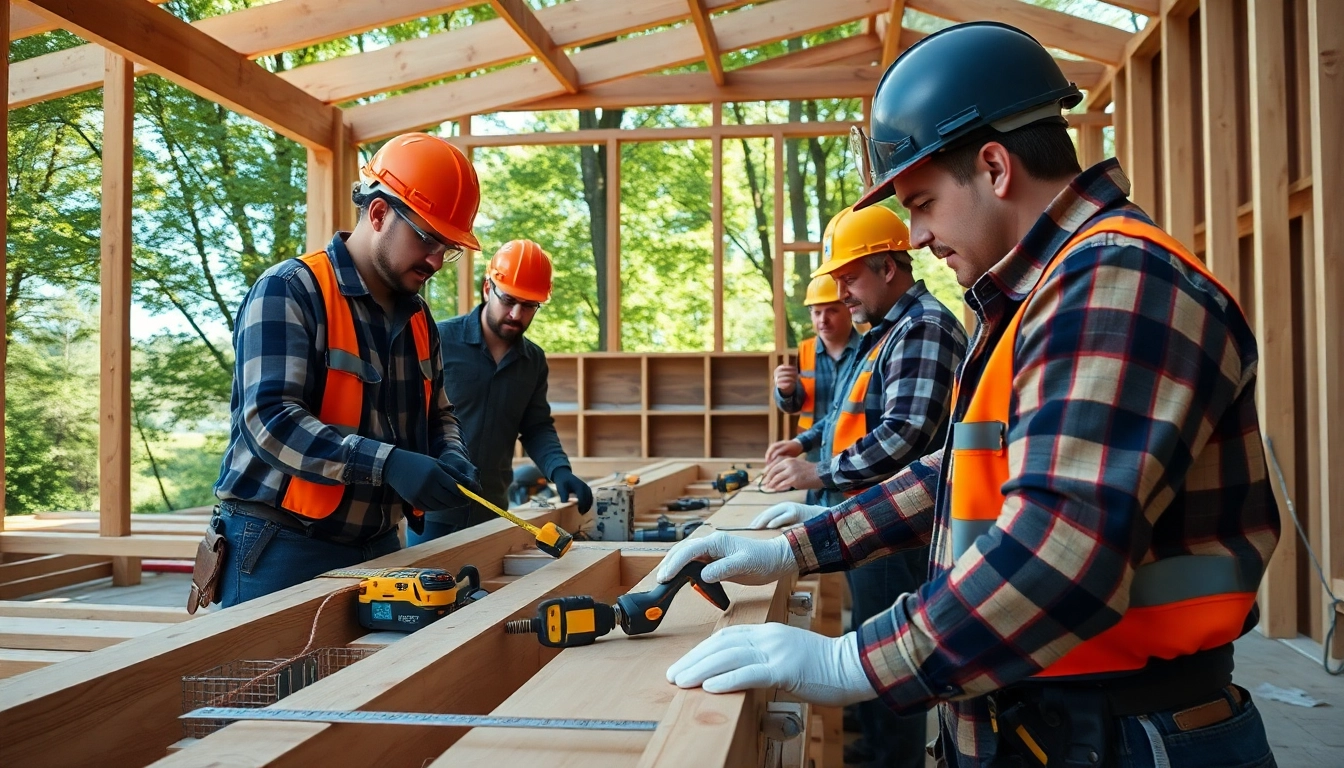
Understanding Carpentry Apprenticeship Opportunities
Carpentry apprenticeship programs offer aspiring carpenters a unique opportunity to enter a fulfilling career within the construction industry. These programs combine a robust educational framework with hands-on experience, creating skilled professionals ready for the workforce. Enrolling in a carpentry apprenticeship not only equips individuals with essential skills but also opens the door to a vast network of industry connections and potential career advancements.
Overview of Carpentry Apprenticeship Programs
Carpentry apprenticeship programs typically last between three to four years, depending on the requirements set by the local labor union or apprenticeship standards. These programs are divided into classroom instruction and on-the-job training, allowing apprentices to gain theoretical knowledge while applying it under the guidance of experienced professionals. Topics covered often include structural framing, cabinetry, finishing, and building codes.
The foundational structure of most programs may include the following:
- Length of Apprenticeship: Usually spans 3-4 years.
- Educational Components: Involves both classroom learning and practical work experience.
- Certification: Many programs culminate in a nationally recognized certification.
Benefits of Enrolling in a Carpentry Apprenticeship
Participating in a carpentry apprenticeship provides numerous advantages, including:
- Hands-On Experience: Learning directly on the job equips apprentices with practical skills.
- Financial Compensation: Apprentices earn while they learn, making the training financially viable.
- Job Placement Rates: Graduates often find it easier to secure employment due to their practical experience.
- Networking Opportunities: Connections made during the apprenticeship can lead to future job opportunities.
Types of Carpentry Apprenticeships Available
Carpentry apprenticeships can vary based on the specialization. Common types include:
- Residential Carpentry: Focuses on building and renovating homes.
- Commercial Carpentry: Involves work on larger building projects, such as schools and offices.
- Cabinetmaking: Specializing in crafting custom cabinetry and wood furnishings.
- Formwork Carpentry: Works on constructing temporary structures for casting concrete.
Key Skills Developed During Carpentry Apprenticeship
Essential Carpentry Techniques and Tools
Apprentices are trained in a variety of carpentry techniques, which may include basic to advanced skills:
- Framing: Learning how to construct the skeleton of buildings.
- Finishing Work: Gaining skills in applying siding, installing windows, and more.
- Blueprint Reading: Understanding technical drawings to execute plans accurately.
- Tools Proficiency: Gaining expertise in using hand tools, power tools, and machinery safely and effectively.
Importance of Safety Training in Carpentry
Safety is paramount in carpentry. A significant portion of any apprenticeship program is dedicated to safety training, covering areas such as:
- Personal Protective Equipment: Understanding the necessity of using appropriate gear.
- Hazard Recognition: Learning to identify and mitigate potential risks on-site.
- First Aid Training: Being prepared to handle accidents or injuries.
Soft Skills for a Successful Carpenter
Beyond technical skills, soft skills play a crucial role in a carpenter’s success:
- Communication: Effective communication aids in teamwork and project collaboration.
- Problem-Solving: Ability to troubleshoot issues on the job can enhance workflow.
- Time Management: Successfully balancing multiple tasks ensures project deadlines are met.
Steps to Apply for a Carpentry Apprenticeship
Researching Potential Apprenticeship Programs
Before applying, it’s crucial to conduct thorough research on various apprenticeship programs. Consider the following steps:
- Identify Local Programs: Start by looking for registered programs through labor unions or trade schools.
- Compare Curriculum: Review the courses offered and their depth to ensure they meet your educational needs.
- Seek Reviews: Look for testimonials or feedback from former apprentices regarding their experiences.
Creating a Compelling Application and Resume
A strong application can dramatically increase your chances of securing an apprenticeship. Focus on:
- Highlight Relevant Experience: Showcase any previous work in construction or related fields.
- Education: Include any relevant certifications or training.
- Tailor Your Resume: Customize your resume for each application to align with the specific program’s philosophies and goals.
Preparing for Interviews in the Carpentry Field
Once your application is submitted, preparing for interviews is essential. Here are tips to succeed:
- Research the Program: Understanding the program’s mission and projects will help you articulate your interest.
- Practice Common Questions: Prepare to answer questions about your experience, safety practices, and teamwork.
- Ask Informed Questions: Showcase your interest by asking insightful questions about the program’s structure and future prospects.
Challenges Faced in Carpentry Apprenticeship Journey
Common Obstacles and How to Overcome Them
Apprenticeships often come with challenges, including:
- Physical Demands: The work can be demanding; building physical endurance is key.
- Mental Stress: Learning can be overwhelming; seeking mentorship can provide support.
- Limited Experience: As an apprentice, you may occasionally feel outmatched. Familiarizing yourself with the tools and techniques through practice can help build confidence.
Balancing Work, Study, and Personal Life
Successfully managing your time is crucial. Techniques to maintain balance include:
- Creating a Schedule: Outline your weekly tasks to allocate time efficiently among work, study, and personal commitments.
- Setting Priorities: Identify which tasks are most important each week to focus your energies effectively.
- Incorporating Breaks: Ensure you take regular breaks to recharge and avoid burnout.
Building a Support Network During Apprenticeship
Having a strong support network can make the apprenticeship journey smoother. Strategies include:
- Connecting with Peers: Other apprentices can provide camaraderie and support.
- Finding a Mentor: Experienced carpenters can offer guidance and accelerate learning.
- Utilizing Online Forums: Engaging in online communities enhances learning through resource sharing.
Future Prospects for Carpentry Apprenticeship Graduates
Career Pathways After Completing the Apprenticeship
Graduates of carpentry apprenticeships have various career pathways to explore:
- Journeyman Carpenter: Completing the apprenticeship leads to becoming a licensed or certified journeyman.
- Specialization Opportunities: Pursue niches like cabinetry, roofing, or green building.
- Project Management: Upskilling can open paths to overseeing projects and teams.
Advanced Certifications and Continuous Learning
Continuous education is vital in the carpentry field. Options include:
- Specialty Certifications: Options include certifications in green building, sustainable practices, or advanced framing techniques.
- Trade Associations: Membership in professional organizations can enhance credibility and provide learning opportunities.
- Workshops and Seminars: Attending industry events can keep your skills current and introduce emerging technologies.
Market Demand for Skilled Carpenters
The demand for skilled carpenters is consistently high due to construction growth across various sectors. Factors influencing demand include:
- Urban Development: Increased urban development projects require skilled labor.
- Home Renovation Trends: As more homeowners invest in renovations, carpentry skills are increasingly valuable.
- Retirement of Current Workers: As seasoned carpenters retire, new opportunities for apprentices arise.
Frequently Asked Questions
What is the duration of a carpentry apprenticeship?
Typically, carpentry apprenticeships last between three to four years, combining classroom instruction with hands-on experience.
Do you earn money during the apprenticeship?
Yes, apprentices earn wages while working and learning, which increases as they progress through the program.
Are carpentry apprenticeships offered only through unions?
No, while many programs are union-affiliated, there are also non-union programs offered through trade schools and community colleges.
What kinds of certification can I obtain after completing my apprenticeship?
Upon completion, you can earn certifications as a journeyman carpenter, as well as specialty certifications in various carpentry fields.
Is safety training included in the apprenticeship program?
Yes, safety training is a crucial component of carpentry apprenticeships, covering personal protective equipment, hazard recognition, and first aid.
About the Author